Telltale Signs It's Time for AC Repair: Keep Your Home Cool
Recognizing the warning signs that an air conditioning unit requires repair is important for preserving comfort in the home. Poor cooling performance, unusual noises, and peculiar smells often indicate internal issues. In addition, rising energy costs can reveal operational inefficiencies. Neglecting these indicators may result in more serious damage down the line. Learning how to tackle these problems can make all the difference when the temperatures climb. What should homeowners know next?
Identifying the Early Warning Signs of A/C Problems
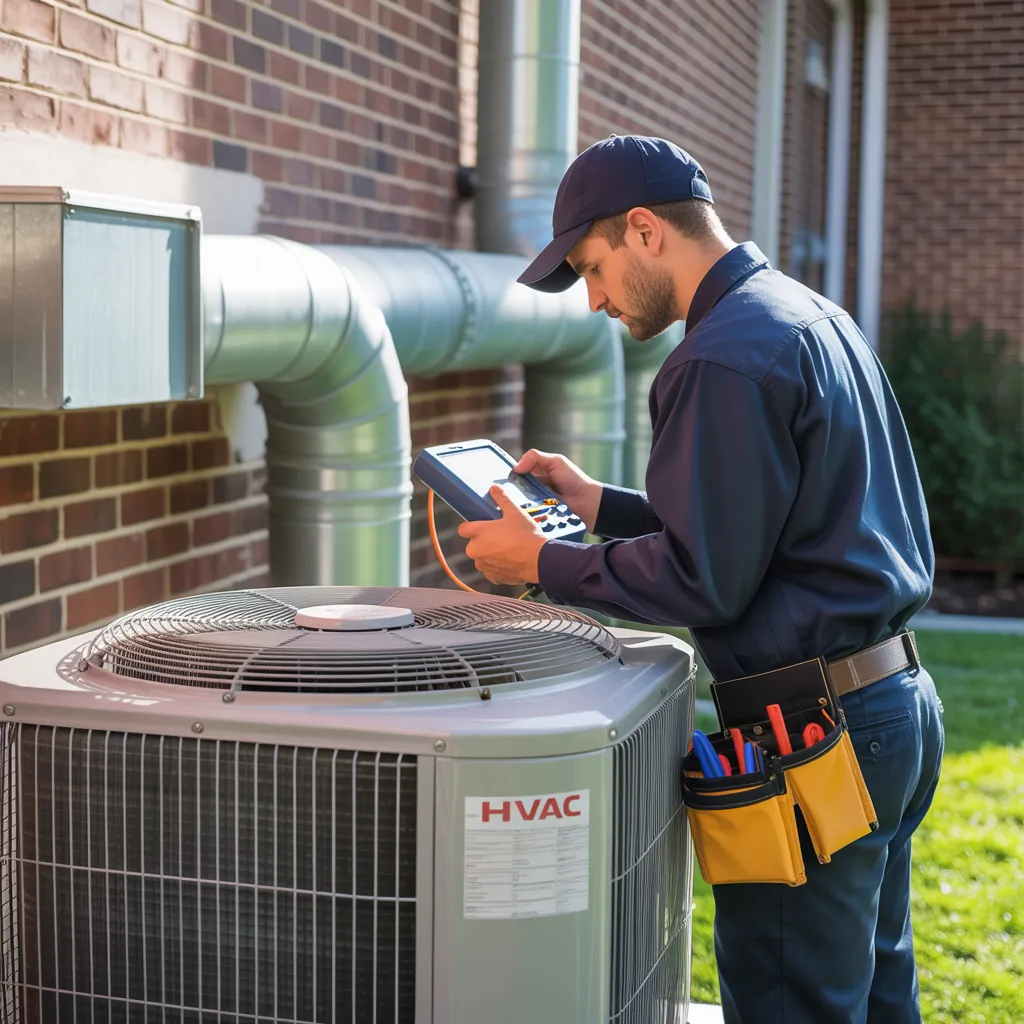
When property owners observe unexpected shifts in their air conditioning units, it often indicates that repairs may be necessary. Frequent early symptoms consist of inconsistent cooling, where certain rooms feel warmer than others, or the system struggles to maintain the set temperature. Odd noises, including grinding or hissing, can point to mechanical problems or refrigerant leaks. Furthermore, an sudden rise in energy costs may imply that the system is exerting extra effort to maintain comfort, often due to operational inefficiencies. Residents should remain watchful for unusual odors, particularly musty or burning smells, which could indicate electrical issues or mold development. In addition, if the AC unit constantly switches on and off, this may indicate a faulty thermostat or additional hidden problems. Spotting these indicators early on can help avoid significant damage and high repair costs.
What to Do When Your A/C Is Blowing Warm Air
When an air conditioning unit blows warm air, a few key checks can often resolve the issue. To begin, checking the thermostat settings ensures that the unit is configured to cool correctly. Furthermore, evaluating the air filters and assessing the refrigerant levels can aid in detecting typical problems that may compromise maximum efficiency.
Examine Thermostat Settings
What steps can one take to ensure their air conditioning system is functioning at its best? A significant first step involves checking the thermostat settings. In many cases, warm air problems stem from incorrect thermostat configurations. Confirming that the thermostat is at the correct cooling temperature is a basic requirement. For programmable thermostats, checking the schedule for possible overrides or conflicts is also beneficial. It is also vital to check that the thermostat is properly set to "cool" mode, since it could mistakenly be set to "heat" or "off". Should the settings seem accurate yet the issue continues, recalibrating the thermostat or changing its batteries may be required. Taking care of these basic inspections can frequently bring back the desired comfort in your home.
Inspect Air Filters
Checking air filters is vital for maintaining peak air conditioning performance. Dirty or blocked filters can limit airflow, causing the system to work harder and potentially leading to thermal stress. This inefficiency often results in hot air flowing from vents, suggesting a need for immediate attention. Homeowners should examine filters on a monthly basis, especially during heavy usage seasons. If filters seem grimy or discolored, replacing them is a straightforward fix that can return the system to full efficiency. Typically, filters should be changed every thirty to ninety days, depending on how often the system runs and local conditions. Regular maintenance of air filters not only boosts the system's cooling capacity but also promotes cleaner indoor air, creating a healthier home atmosphere. Prompt examinations can avoid larger problems in the future.
Inspect Refrigerant Gas Levels
An insufficient refrigerant level can greatly impact an air conditioner's capacity to cool properly. When refrigerant levels are low, the system struggles to absorb heat, causing warm air to blow from the vents. Homeowners are advised to periodically inspect refrigerant levels as part of their regular maintenance schedule. If a decline in cooling efficiency is observed, this could signal a refrigerant leak or depletion. To handle this concern, a qualified technician should be contacted to assess the system. They can detect leaks and restore the refrigerant to the manufacturer's recommended levels. Overlooking refrigerant problems can cause more severe issues, such as compressor damage. Timely examination of refrigerant levels guarantees peak performance and extends the life of the air conditioning unit.
What Different Sounds From Your Air Conditioning Unit Indicate
When an air conditioning unit emits unusual noises, it often signals underlying issues that require attention. A buzzing noise can suggest electrical issues, while a hissing sound could indicate a refrigerant leak. Furthermore, clanging sounds generally indicate loose or broken parts inside the unit.
Buzzing Sounds Indicate Issues
A buzzing sound originating from an AC unit often signal underlying issues that require attention. These sounds can indicate a variety of problems, including electrical faults, loose components, or failing motors. When the system struggles to operate efficiently, it may emit a constant buzzing sound, indicating that the electrical connections could be faulty or that foreign material is blocking the fan. Furthermore, buzzing may indicate a defective capacitor, which is essential for the compressor's operation. Overlooking these sounds may result in greater damage and higher repair costs. Residents should not overlook these warning indicators and should contact a qualified technician to evaluate and fix the issue without delay, safeguarding the ongoing performance and lifespan of their AC system.
Warning Signs of a Hissing Noise
Many homeowners could notice hissing noises originating from their air conditioning systems, which can point to particular concerns that need attention. A hissing sound commonly signals a leak in the refrigerant, where the refrigerant leaks through tiny holes or cracks in the unit. This not only impacts the cooling efficiency but can also negatively impact the environment. Furthermore, hissing can result from a clogged or malfunctioning expansion valve, which manages refrigerant circulation. If the noise is accompanied by varying temperatures or reduced cooling performance, it indicates further issues. Homeowners should address these sounds promptly, as ignoring them can lead to more extensive repairs or complete system failure. Identifying these warning signs is essential for keeping an efficient and effective air conditioning system.
Clanging Signals Loose Parts
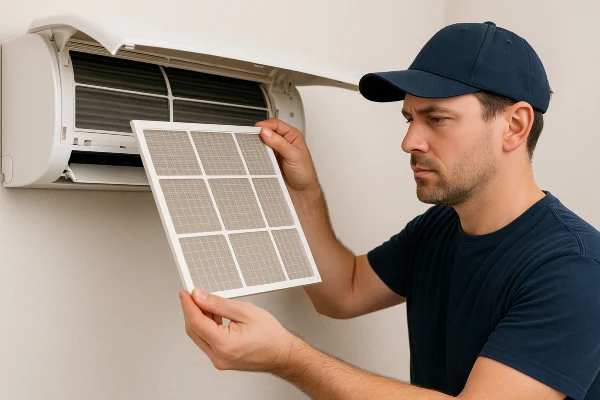
Rattling disturbances from an air conditioning unit commonly suggest worn or faulty components that require immediate attention. These disturbances may arise from multiple locations inside the system. For example, poorly tightened screws or hardware can make internal elements shake, while a damaged fan may impact the outer casing, generating a striking noise. Moreover, complications involving the compressor or ventilation channels can also amplify these bothersome disturbances. Overlooking these disturbances can escalate into greater complications, including decreased functionality or full system collapse. Residents are advised to contact a certified professional to identify and resolve any root causes without delay. Timely action can avoid expensive fixes and ensure the cooling system functions reliably and efficiently.
How Strange Odors Indicate A/C Repair Needs
In what ways can unusual smells indicate the need for air conditioning repair? Offensive smells coming from an A/C system commonly point to underlying concerns that need immediate addressing. A musty odor may suggest mold or mildew growth within the system, potentially affecting indoor air quality. This could arise from clogged condensate drains or insufficient airflow.
A acrid odor might signal faulty wiring or overheated parts, which may present a serious fire risk. On the other hand, a chemical or sugary smell could signify leaking refrigerant, demanding immediate attention to prevent further damage and maintain efficient operation.
Acknowledging these scents and comprehending their consequences is crucial for residents. Ignoring such warning signs can lead to expensive repairs and diminished system performance. As a result, addressing unfamiliar odors quickly can safeguard both the air conditioning system and the health of its residents.
Are Your Energy Bills Higher Because of Your A/C?
Have energy bills been climbing unexpectedly even with consistent A/C use? This could be a sign of underlying problems with the air conditioning system. A poorly maintained or aging system may have difficulty cooling a home effectively, causing greater energy expenditure. Issues like blocked filters, refrigerant leaks, or faulty thermostats can significantly affect system performance, forcing the unit to operate beyond its optimal capacity.
Additionally, insufficient insulation or air leaks in the home can exacerbate this problem, allowing cooled air to escape and forcing the A/C to run longer. Homeowners should monitor their energy bills closely to identify trends that signal potential inefficiencies. Should expenses keep increasing without an obvious reason, it may be necessary to consider scheduling an inspection or repair of the air conditioning unit. Resolving these concerns without delay can assist in restoring optimal performance and potentially bringing down those rising energy expenses.
Why Regular A/C Maintenance Matters
What makes routine A/C maintenance critical for peak efficiency? Routine maintenance guarantees that air conditioning systems operate efficiently and effectively. By consistently inspecting and maintaining units, homeowners can avoid potential failures and prolong the life of their systems. This service commonly encompasses cleaning or changing filters, monitoring refrigerant levels, and reviewing electrical connections.
In addition, routine maintenance enables the detection of minor issues before they become major repairs. A regularly serviced A/C unit performs at a higher level of efficiency, which translates to decreased utility bills and an improved living environment. In addition, routine inspections can enhance indoor air quality by stopping dust and allergens from spreading through the home. When all is said and done, committing time and resources to A/C servicing not only boosts efficiency but also promotes a healthier, more environmentally friendly household. Scheduled upkeep serves as a preventive measure to ensure that air conditioning systems work efficiently when they are needed most.
When You Should Contact a Professional for A/C Repair
Recognizing when to hire a qualified technician for air conditioning repair can benefit homeowners financially and practically, particularly after ensuring their system has undergone routine maintenance. Warning signs often indicate the need for professional assistance. If the air conditioning unit is blowing warm air, emitting odd noises, or giving off peculiar odors, these issues necessitate immediate professional evaluation. Additionally, uneven cooling across the home or a unexpected spike in utility bills may suggest underlying problems that demand expert diagnosis.
Residents should stay alert for moisture or leaks around the discover this equipment, as this can suggest drainage problems or refrigerant issues. Disregarding these indicators can result in costly repairs and more extensive damage. At the end of the day, seeking professional assistance at the first sign of trouble can not only return your home to comfort but also increase the longevity of the cooling system, ensuring efficient operation throughout the warmer months.
Answers to Common Questions
How Often Should I Schedule A/C Maintenance?
Specialists suggest planning air conditioner service a minimum of once annually, ideally before the cooling season begins. Routine inspections ensure optimal performance, increase the equipment's longevity, and prevent unexpected breakdowns during peak usage.
Can I Repair My A/C Myself?
He may try minor repairs if properly skilled, but advanced malfunctions frequently demand specialized skills. Safety concerns and the risk of voiding warranties recommend engaging a specialist for significant malfunctions to provide safe and effective functioning.
Why Should I Consider Upgrading My A/C System?
Updating an HVAC system enhances operational efficiency, cuts down on utility bills, improves indoor air quality, increases home value, and ensures improved cooling performance. Such improvements result in a better and more enjoyable living environment.
How Long Should My Air Conditioning Unit Last?
An air conditioner usually operates for anywhere from 15 to 20 years, influenced by usage, maintenance, and model quality. Consistent professional servicing helps maximize its longevity, while neglect may lead to unexpected breakdowns and a decline in efficiency.
At What Temperature Should I Set My A/C for the Best Efficiency?
For optimal performance, configuring the air conditioner between 72°F and 78°F is recommended. This temperature range strikes a balance between comfort and energy use, permitting the system to run at peak performance while lowering power consumption costs throughout the air conditioning season.